
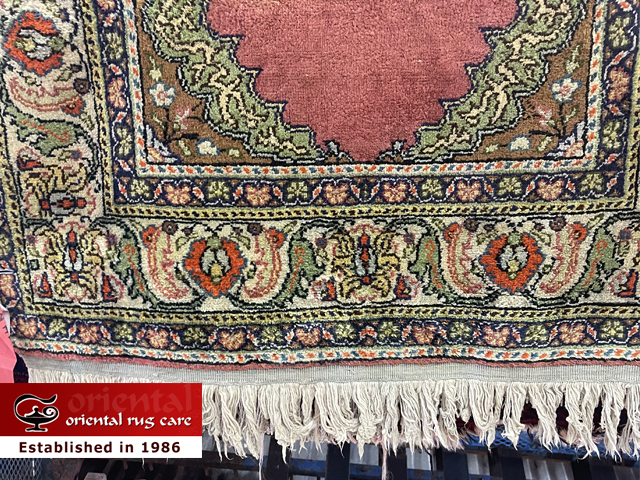

A professionally cleaned rug is not truly ready for use until it has been dried correctly. While washing removes accumulated dirt, dust, stains, and unwanted contaminants, the drying stage plays an equally important role in maintaining the rug’s quality, texture, and overall condition. Improper drying can leave excess moisture trapped inside the fibers, potentially resulting in unpleasant odors, mildew development, color problems, and damage to the rug’s foundation.
At Oriental Rug Care, we understand that every rug requires careful handling throughout the cleaning process. Our professional Rug Drying Process is designed to help remove excess moisture, support uniform drying, and protect the structure of different rug materials. We provide specialized rug care solutions for homeowners and property owners in South Beach, Florida, where warm temperatures and coastal humidity make proper moisture management particularly important.
Whether you own an expensive Persian rug, a traditional Oriental carpet, a handmade wool rug, or a modern decorative area rug, selecting the right drying technique is essential for maintaining its beauty and usability.
Why Professional Rug Drying Is Essential in South Beach, Florida
South Beach is known for its coastal environment, warm weather, and humid conditions. Although these environmental characteristics contribute to its tropical appeal, they can create challenges when drying moisture-absorbing household textiles.
Rugs can retain water deep within their pile, backing, and foundation after washing. Even when the surface feels dry, moisture may remain underneath. If this moisture is not removed effectively, it can contribute to musty smells, microbial growth, and deterioration of certain rug materials.
Natural fibers such as wool and cotton can absorb significant amounts of moisture. Thick rugs and densely woven carpets may require additional attention because air cannot circulate freely through every layer.
Professional rug drying addresses these challenges through controlled moisture extraction, suitable airflow, and careful monitoring. Instead of relying entirely on outdoor sunlight or ordinary household fans, a specialized drying process considers the rug’s construction and environmental conditions.
Our Professional Rug Drying Process
At Oriental Rug Care, proper drying is approached as a series of carefully managed stages. The objective is not simply to make the surface dry quickly but to ensure that moisture is removed throughout the textile without unnecessary stress on its fibers.
1. Initial Rug Condition Assessment
Before beginning the drying process, the rug’s material, construction, thickness, and overall condition should be evaluated.
Different rug types respond differently to moisture. Wool rugs, silk carpets, cotton-backed rugs, synthetic area rugs, and hand-knotted Oriental carpets cannot all be treated identically.
Our assessment considers:
- Fiber composition and weave construction.
- Rug thickness and density.
- Condition of the backing and foundation.
- Previous repairs and existing damage.
- Dye stability and possible color migration.
- Moisture retention after washing.
This evaluation helps determine the appropriate moisture-removal and drying approach for the individual rug.
2. Removal of Excess Water
The first major step involves removing as much excess water as safely possible. Leaving a rug heavily saturated for an extended period can increase the likelihood of moisture-related complications.
Professional water-extraction equipment and appropriate handling techniques help remove retained water without placing excessive pressure on delicate fibers or weakening the rug’s structure.
The extraction method depends on the rug’s material and construction. Delicate antique rugs, handmade carpets, and textiles with fragile foundations may require particularly controlled treatment.
Effective moisture extraction reduces the amount of water that must be eliminated during the subsequent drying stages.
3. Proper Positioning for Uniform Drying
The way a rug is positioned can influence how efficiently moisture evaporates.
Depending on its construction and condition, a rug may be positioned flat or placed in an appropriate supported drying arrangement. The objective is to encourage suitable air circulation while preventing unnecessary stretching, folding, or distortion.
Heavy rugs require additional care because their weight can increase when wet. Incorrect handling may place stress on the edges, fringe, backing, or woven foundation.
Proper positioning also helps prevent moisture from becoming trapped in areas where airflow is restricted.
4. Controlled Air Circulation
Air circulation is one of the most important elements of professional rug drying. Moving air helps carry evaporated moisture away from the rug’s surface, supporting more consistent drying.
Specialized air movers and ventilation equipment can be used to create controlled airflow around the textile. Equipment placement should be adjusted according to the rug’s size, thickness, and drying requirements.
In South Beach, where outdoor humidity can remain relatively high, relying exclusively on natural ventilation may not always provide predictable results.
Controlled indoor drying conditions can offer better moisture management than leaving a wet rug exposed to changing outdoor weather.
5. Temperature and Humidity Management
Temperature and humidity influence how quickly water evaporates from a rug. However, increasing heat is not always the best solution.
Excessive heat can affect sensitive fibers, natural dyes, adhesives, and certain backing materials. Some rugs may also experience shrinkage or distortion if exposed to unsuitable drying conditions.
A professional drying environment aims to balance temperature, humidity, and airflow. Dehumidification may be beneficial when surrounding air contains significant moisture.
Maintaining appropriate environmental conditions helps encourage steady drying while reducing unnecessary stress on the textile.
6. Monitoring Moisture Throughout the Process
One of the most important differences between casual drying and professional rug care is continued monitoring.
A rug may appear dry on the surface while retaining moisture within its deeper layers. Therefore, checking only the visible pile is not sufficient.
Moisture assessment should consider different areas of the rug, including thicker sections, edges, backing, and other locations where water may remain trapped.
Drying time varies according to fiber type, rug density, water absorption, extraction effectiveness, and environmental conditions. There is no universal drying schedule suitable for every rug.
Monitoring helps determine whether additional airflow, moisture extraction, or drying time is necessary.
7. Fringe and Edge Drying Attention
Fringes and rug edges often require special attention during drying. These areas may contain cotton or other fibers that absorb moisture differently from the main pile.
If fringes remain damp for too long, they may develop discoloration or unpleasant odors. Excessive handling while wet can also cause tangling, stretching, or damage.
A suitable drying arrangement helps maintain the natural appearance of the fringe while encouraging moisture to evaporate.
Edges and corners should also be checked for retained moisture, especially on thicker or hand-knotted rugs.
8. Final Dryness Inspection and Finishing
Before a rug is considered ready for delivery or regular use, its overall dryness and condition should be checked.
- The final inspection may include:
- Checking the pile and backing for residual moisture.
- Examining the fringe and edges.
- Reviewing the rug for any visible distortion.
- Checking for lingering damp or musty odors.
- Grooming the pile where appropriate.
- Confirming that the rug is suitable for normal placement.
A rug should only be returned to its intended location once it is adequately dry throughout its structure.
Different Rugs Require Different Drying Methods
Professional rug drying is not a one-size-fits-all procedure. Each textile has specific requirements.
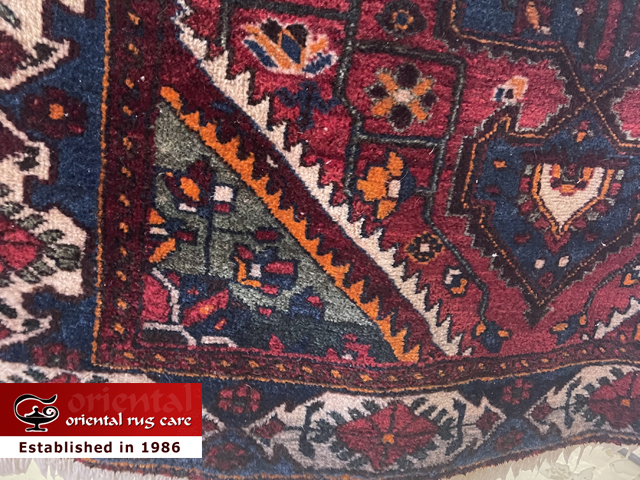
- Persian and Oriental Rugs: Hand-knotted rugs often contain natural fibers and delicate dyes. Controlled moisture extraction and suitable airflow are important for protecting their woven structure.
- Wool Rugs: Wool naturally absorbs moisture and may take longer to dry than some synthetic materials. Appropriate airflow and careful moisture monitoring are essential.
- Silk Rugs: Silk requires particularly gentle handling. Excessive heat, friction, and unsuitable drying techniques may affect its delicate fibers and appearance.
- Cotton Rugs: Cotton can retain considerable moisture, especially in dense constructions. Proper extraction and sufficient drying time are important.
- Synthetic Area Rugs: These may dry differently depending on their backing, pile density, and construction. Their drying requirements should still be evaluated individually.
Common Rug Drying Mistakes to Avoid
Many rug problems occur because the drying stage receives insufficient attention. Some common mistakes include leaving wet rugs in poorly ventilated rooms, exposing delicate rugs to excessive direct sunlight, using unsuitable heating equipment, folding damp rugs for storage, and placing furniture on rugs before they are completely dry.
Another common mistake is assuming that a dry-looking surface means the entire rug is moisture-free.
These practices can contribute to odor development, color changes, fiber deterioration, and other avoidable problems. Professional drying helps reduce these risks through appropriate handling and moisture management.
Why Choose Oriental Rug Care in South Beach, Florida?
Your rug may be a decorative investment, a family heirloom, or an important part of your home’s interior design. Protecting it requires attention to every stage of professional cleaning, especially the final drying process.
Oriental Rug Care focuses on specialized rug cleaning and maintenance solutions designed around the requirements of different rug materials and constructions.
We understand the importance of proper moisture extraction, controlled airflow, environmental management, and final inspection. Our approach emphasizes careful handling rather than simply rushing the drying process.
For South Beach homeowners, property managers, and rug owners, professional drying can help maintain the appearance and condition of valuable floor coverings while reducing the problems associated with excessive retained moisture.
Contact Oriental Rug Care for Professional Rug Drying Services
Do not overlook the importance of proper drying after rug washing. Whether your rug is made from wool, silk, cotton, or synthetic fibers, the correct drying approach can make a significant difference in its long-term care.
If you are looking for professional Rug Drying Process services in South Beach, Florida, contact Oriental Rug Care to discuss your rug’s cleaning and drying requirements.
Call: 305-354-7677
Email: orientalrugcare22@gmail.com
Oriental Rug Care – Professional Attention, Careful Drying, and Better Protection for Your Valuable Rugs.
